

The $5 Billion African Cotton Bet
On March 25, 2026 a WTO Ministerial Conference was held in Cameroon. On the margins of that conference was an event centered around cotton which marked what UNIDO called a “new phase” of the Partenariat pour le Coton (PPC), moving the initiative from diagnosis into implementation.
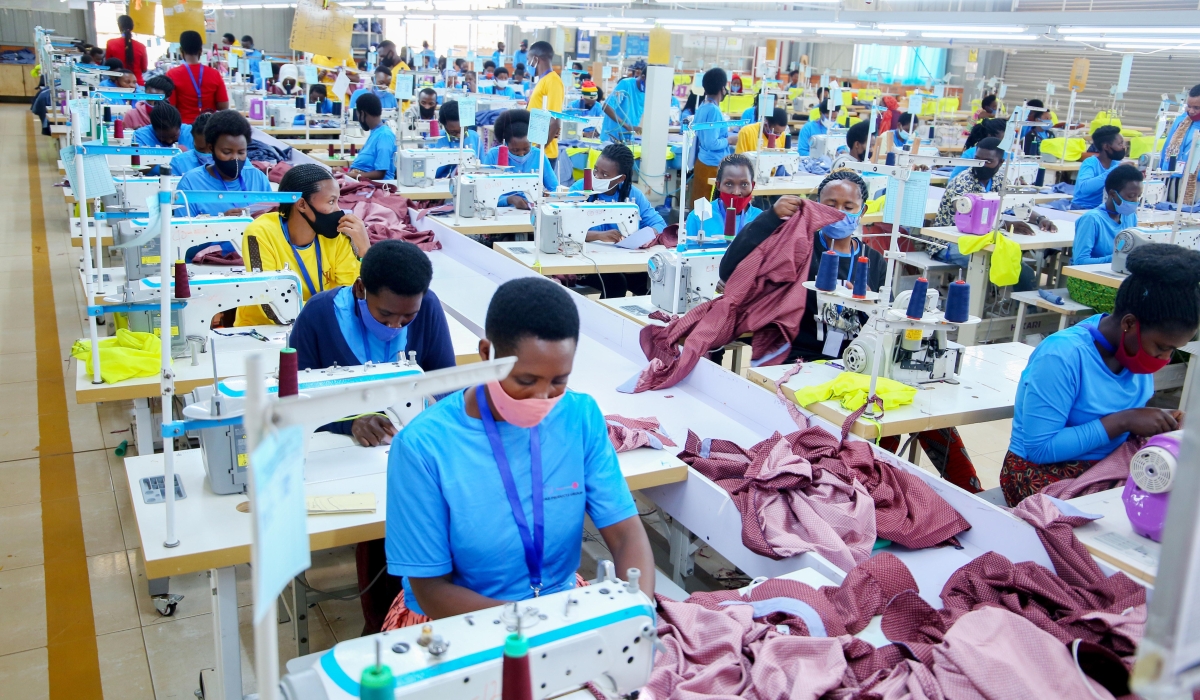
The most important thing decided at the cotton event in Yaoundé was this: African cotton should no longer leave the continent mainly as raw fibre. The push is to turn that cotton into yarn, fabric, garments and branded finished goods in Africa.
African cotton should no longer leave the continent mainly as raw fibre.
We are used to conferences where industrialisation is praised in broad terms. However, concrete moves were made at this one, like the launch of Africa Textile Invest, an investor platform designed as a single entry point for textile and garment investment opportunities across the PPC countries. UNIDO said the platform is meant to give investors access to industrial-zone information, workforce and infrastructure profiles, market-access conditions and a pipeline of investment concepts. The platform itself describes West and Central Africa as the next manufacturing frontier for textile and garment production.
Just as important, the initiative now has measurable ambitions. UNIDO says the PPC aims to help the C-4+ countries — Benin, Burkina Faso, Chad, Mali and Côte d’Ivoire — mobilise $5 billion in investment over 10 years, generate $6 billion in value-added products, and position the region as a competitive cotton-and-textile gateway. WTO- and ITC-linked reporting around the event also points to the potential for around 500,000 direct jobs if the investment and capacity-building push is realised.
PPC aims to help the C-4+ countries — Benin, Burkina Faso, Chad, Mali and Côte d’Ivoire — mobilise $5 billion in investment over 10 years, generate $6 billion in value-added products
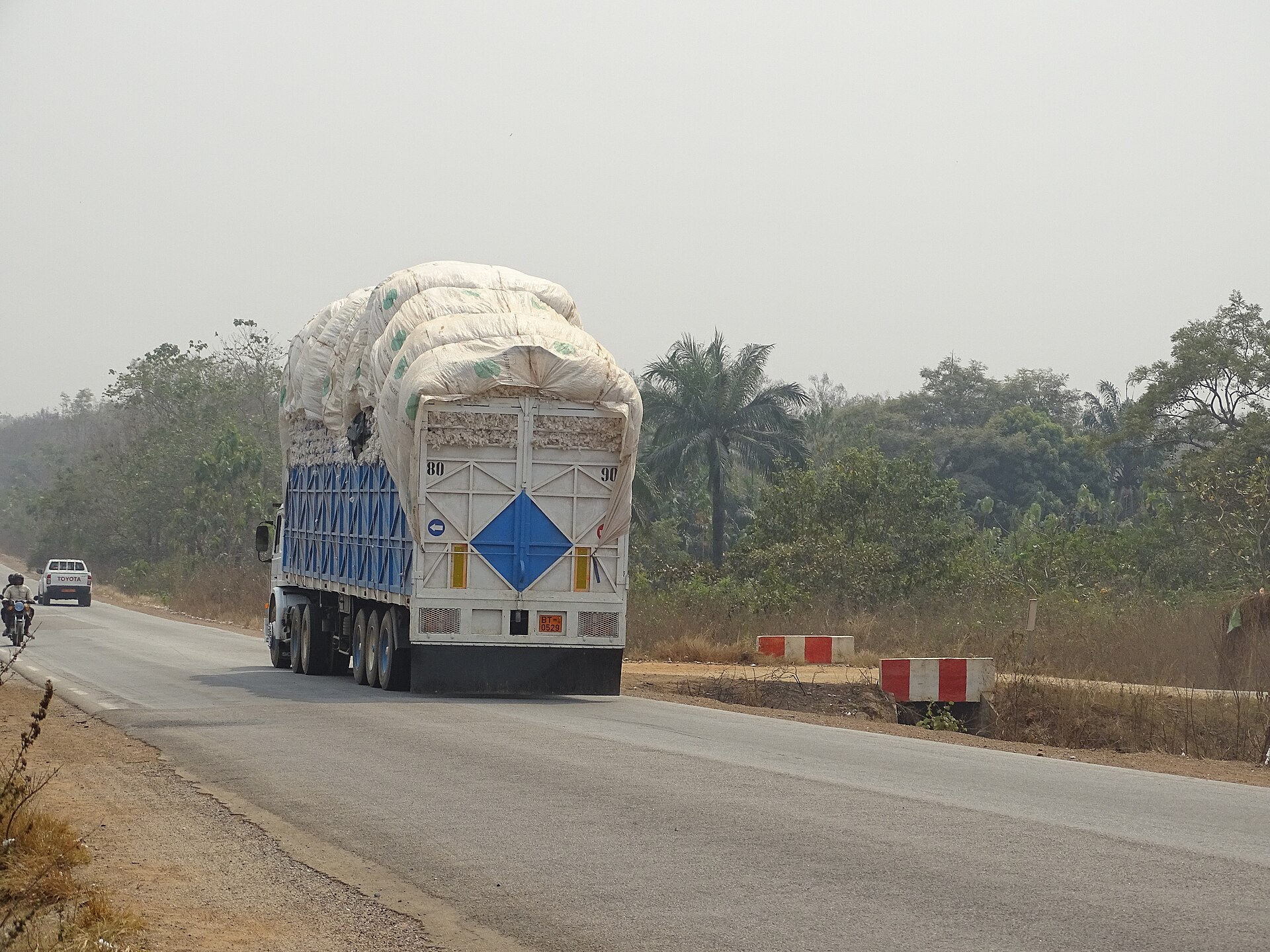
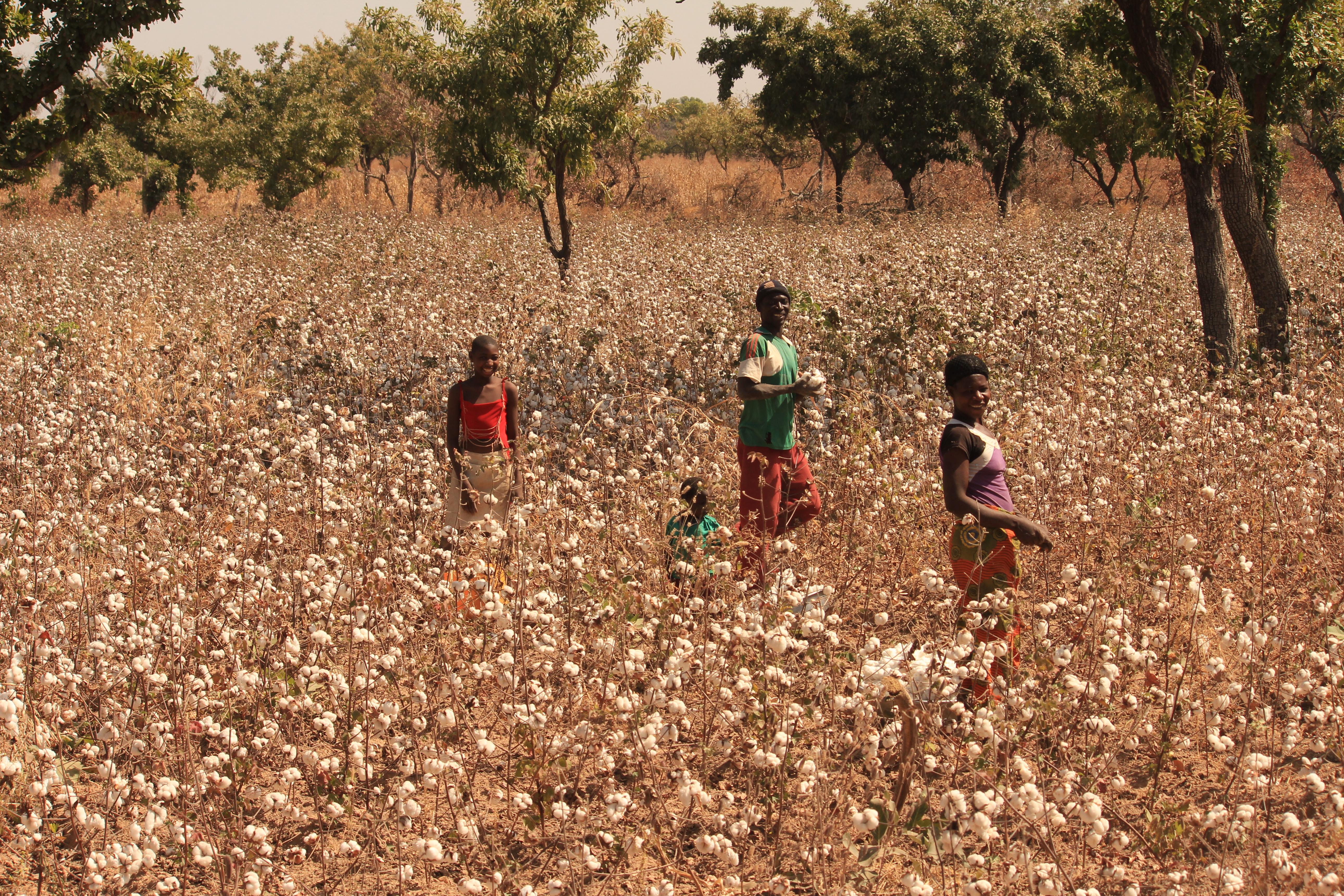
The urgency is obvious. According to WTO and UNIDO reporting from the event, around 98% of the region’s cotton is still exported as raw fibre. Africa Textile Invest also says West and Central Africa has roughly $12 billion in annual textiles and clothing demand, with more than 90% of that demand met by imports. In other words, Africa grows cotton, yet still buys back much of the value in the form of imported cloth and clothing.
For the African fashion industry, this adds a premium to their finished products which reduces their ability to compete with those from countries where value is added to the cotton.
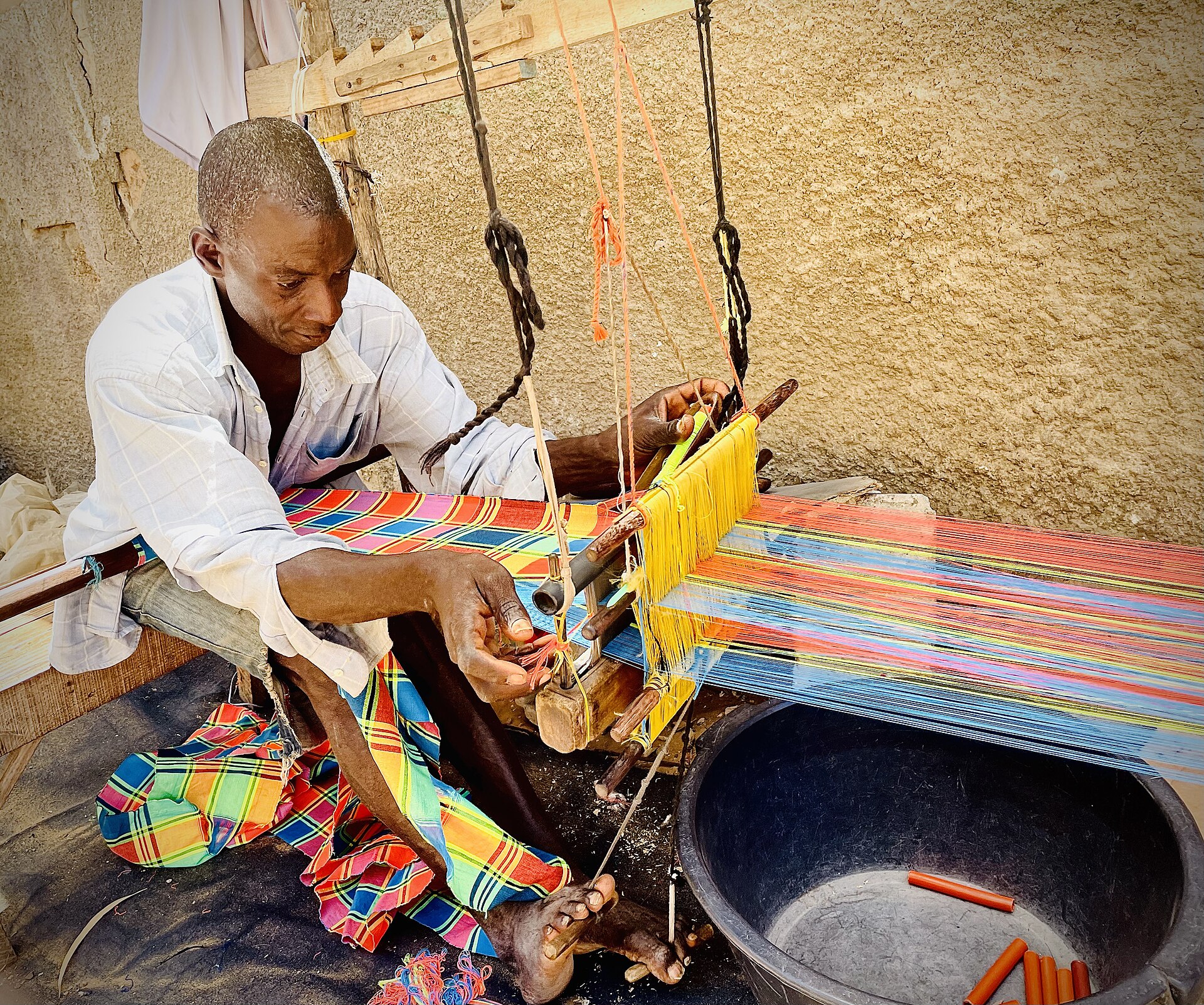
More than competitiveness, if more cotton is processed on the continent, designers gain access. Access to yarn. To mills. To fabric that does not have to travel halfway around the world before it can return as finished material. That could mean shorter lead times, better control over production calendars, lower dependence on imports, and a much stronger chance of building brands with real industrial depth behind the image.
The conditions for margin retention and stronger local manufacturing ecosystems are much improved if cotton processing remains on the internet.
The Yaoundé event included the unveiling of shirts produced in Benin for FIFA’s Football for Schools initiative and concluded with a fashion show featuring African designers. Showing the finished product was symbolically important as African cotton is not only a commodity but can clearly become a finished product, started and finished on the continent.
For designers, that opens up a stronger future around traceability, local value addition and material storytelling. At a time when global fashion is increasingly interested in supply-chain resilience, sustainability claims and provenance, a stronger African cotton-to-garment pipeline could become a competitive asset. Africa Textile Invest explicitly pitches the region on sustainable cotton, preferential access to Europe and the United States, and expanding industrial platforms.
The future of this venture and its impact on the African cotton industry is one that we will follow and update as it develops.