
When Governments Get Behind Africa’s Fashion Industry
On a continent that is finally being rightfully recognized for its fashion, a lot of support in the way of policy development and finance is still needed to make the most of the opportunities that can arise. Naturally, this responsibility falls to the governments. But how have they fared?
A good place to start would be Rwanda, where its Made in Rwanda policy has produced one of the continent’s most coordinated fashion-policy cases. Rather than leave fashion up to designers alone, it sits within a national plan that links local consumption, public procurement, manufacturing, export earnings, youth employment and national branding. Under its Ministry of Trade And Industry, a Strategy For The Transformation of Textile, Apparels And Leather Sectors in Rwanda has been developed. Within this strategy document, the government names local production, import substitution, job creation and trade-deficit reduction as policy goals. This policy machinery may explain why Rwanda’s fashion scene has developed with a level of state alignment that many larger African countries still lack.
Rwanda’s policy approach
Made in Rwanda was built around a basic problem: Rwanda imported too much and produced too little locally. In fashion, there was also an old consumer habit of treating foreign goods as automatically superior. Rather than relying on just a snazzy slogan around buying local, the Made in Rwanda policy called on government agencies to create an internal dress-code around clothing made within the country, to be worn on the last Friday of every month. It also proposed monthly social media campaigns, product-certification work, the use of Made in Rwanda logo and public procurement support for eligible local products.
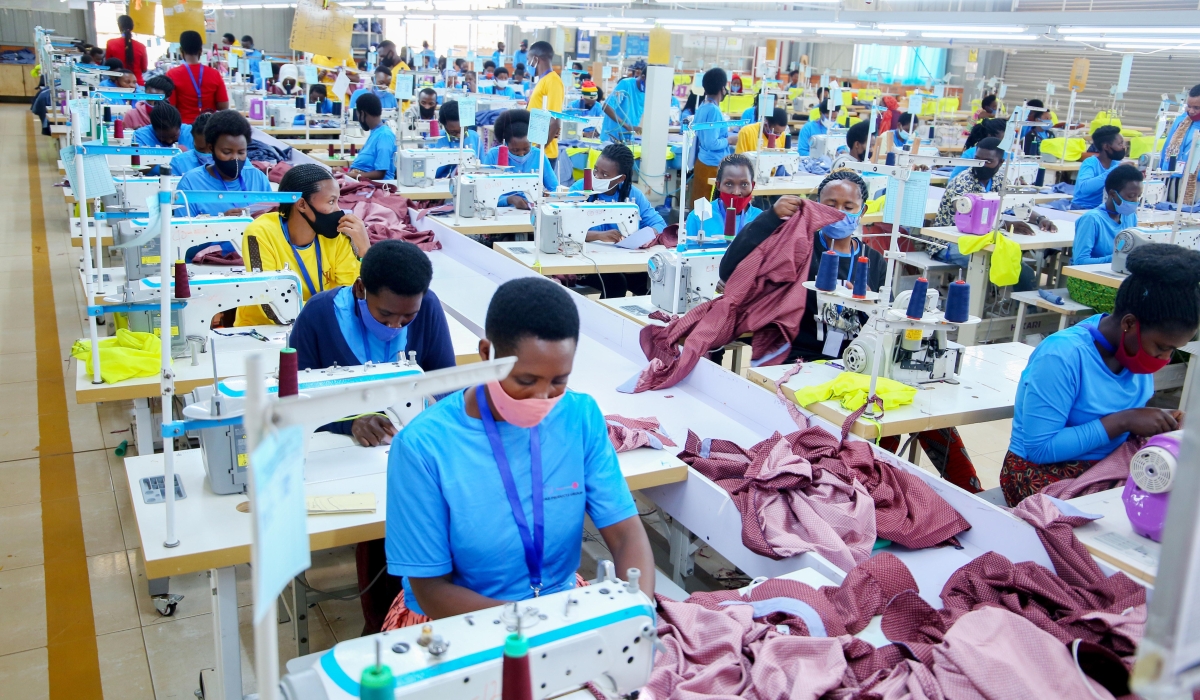
Rwanda also moved on the manufacturing side. In 2019, the Rwanda Development Board (RDB) signed an agreement with Pink Mango C&D to set up a modern garment factory in Kigali Special Economic Zone. RDB offered free warehouse space for five years. The company also benefited from logistics support for transport to regional ports. RDB’s expectation was that the factory would create 7,500 jobs by its fifth year and generate $20 million in cumulative export earnings over five years. The agreement also included training for 500 workers from local garment cooperatives, with the possibility that some cooperatives could receive outsourced supply contracts.
Pink Mango went ahead and invested $6 million in the Kigali facility and has grown from strength to strength. They have also gone on to create another brand, Asantii - a premium fashion brand.
Who benefited in Rwanda?
Clearly, Pink Mango has benefited. Garment workers have also benefited from employment. Rwanda’s textile and leather strategy records that employment in the sector rose from 41,963 jobs in 2017 to 71,212 in 2019 before dropping during COVID -19. It has continued to rise after that. However, in our reporting, we were not able to confirm specific numbers.
While not every major Rwandan designer received direct state funding, the support appears to have been mostly indirect but still substantial. These came in the way of consummate campaigns, public sector visibility, import substitution policy, quality signalling and a national mood that made locally made fashion more socially desirable. This broad government support has really helped however, Rwandan designers are still pushing for greater flexibility around finance and production facilities.
Industry Impact
Using Rwanda as a case study, the relationship between policy and fashion is clear. All over the continent, designers need visibility, but that alone does not build an industry. They need production capacity, finance, access to fabrics, skilled labour, public procurement, realistic export logistics, training, standards and market confidence. Rwanda has taken steps in the right direction, which has paid off, but there is still more to do.
In the concluding part of this article, we will look at what other countries within the continent are doing to move their fashion industries forward and what others can adopt.