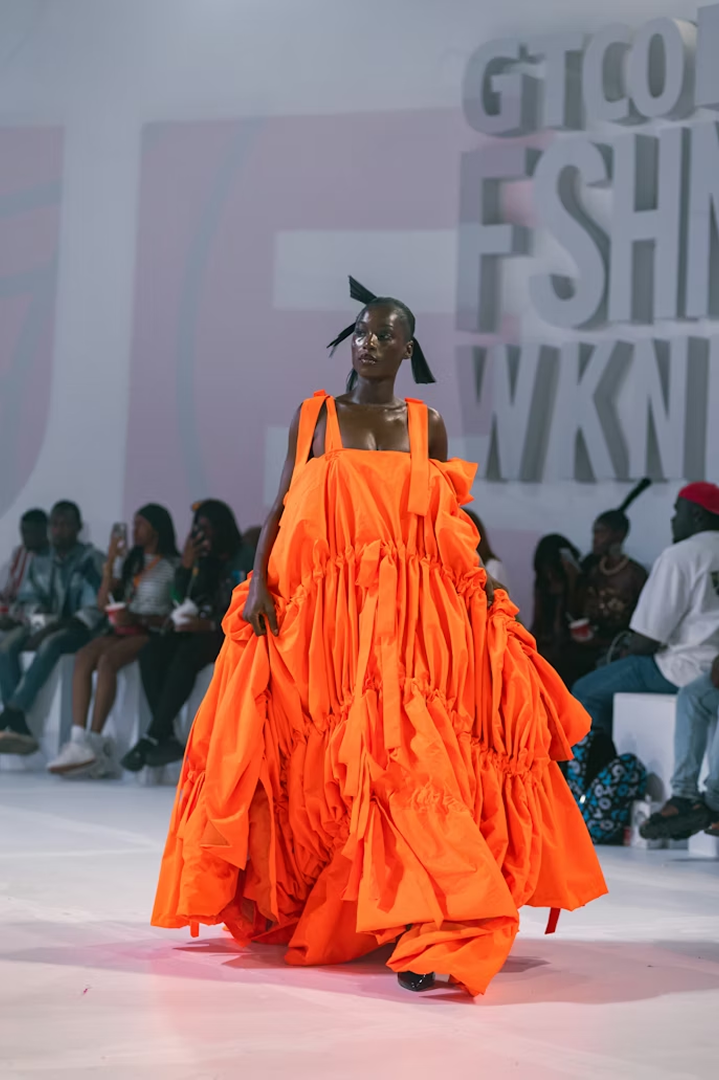


Yoshita 1967 Wins the 2026 LVMH Savoir-Faire Prize
History was made recently as Yoshita 1967 became the first Kenyan label to receive an LVMH prize distinction and, according to LVMH’s own nationality classifications, only the third African label to win one of its formal designer prizes. As a matter of fact, Yoshita 1967 became the first Kenyan semi-finalist, first finalist and first winner.
On the 4th of September, Anil Padia, founder and creative director of Yoshita 1967 stood at the Fondation Louis Vuitton in Paris and accepted the 2026 LVMH Savoir-Faire Prize for his brand.
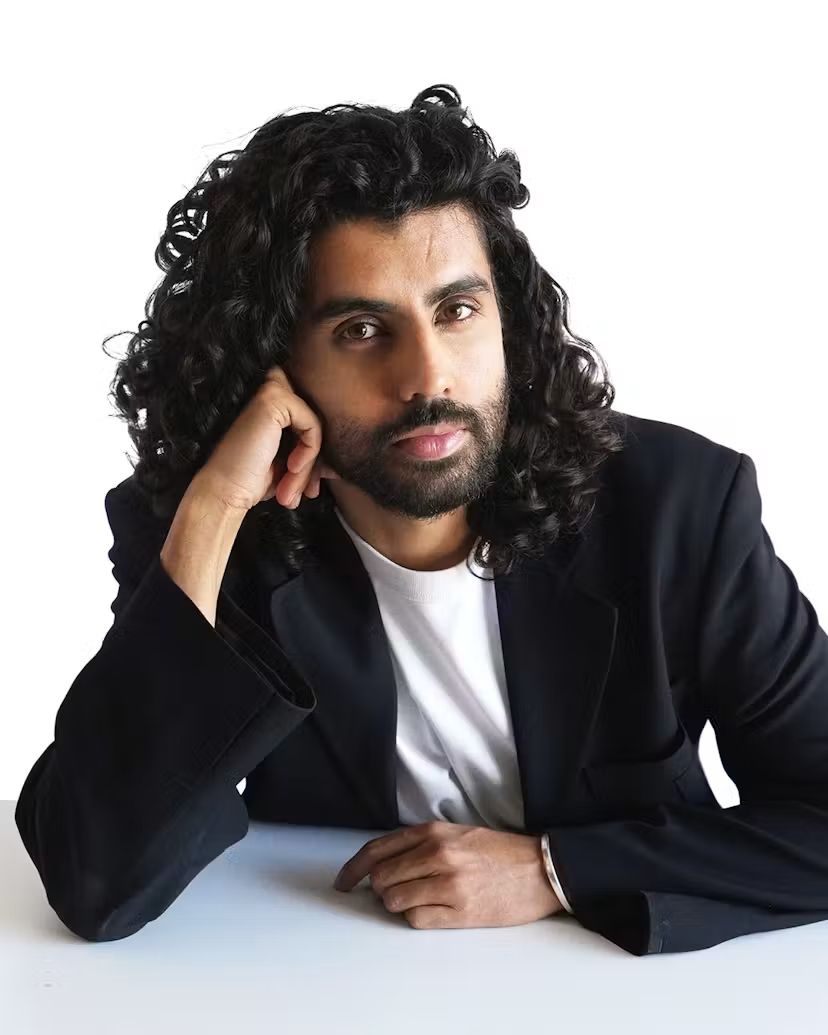
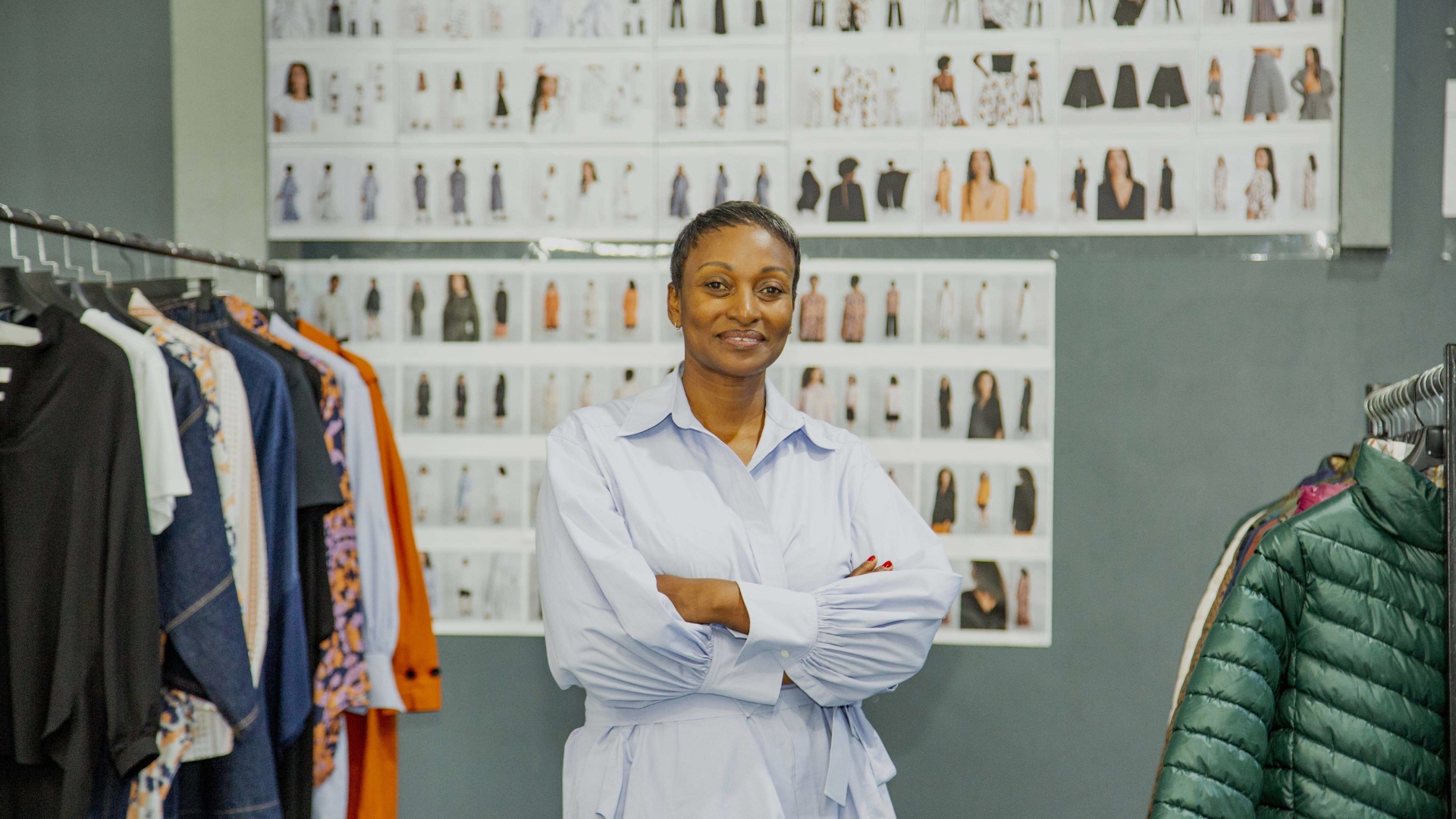
Anil Padia. Creative Director and Founder of Yoshita 1967. Source: LVMH Website
After receiving the award he said “This has been such a collective effort from everybody in our team in Nairobi and I’m extremely honored”.
LVMH announced its nine finalists in April with Yoshita 1967 becoming the first ever Kenyan brand to reach the final. Padia had made it through more than 2,400 applicants, then 20 semi-finalists, before appearing before a jury that included Jonathan Anderson, Sarah Burton, Maria Grazia Chiuri, Nicolas Ghesquière, Marc Jacobs, Phoebe Philo, Pharrell Williams, Stella McCartney, Nigo, Michael Rider, Jack McCollough and Lazaro Hernandez, among others.
The prize ultimately went to Belgian designer Julie Kegels of the eponymous brand, Julie Kegels, along with its €400,000 award. Zane Li of Lii received the Karl Lagerfeld Prize. Yoshita was awarded the Savoir-Faire prize, introduced in 2024 to recognize exceptional craftsmanship, technical expertise, innovation and sustainability.
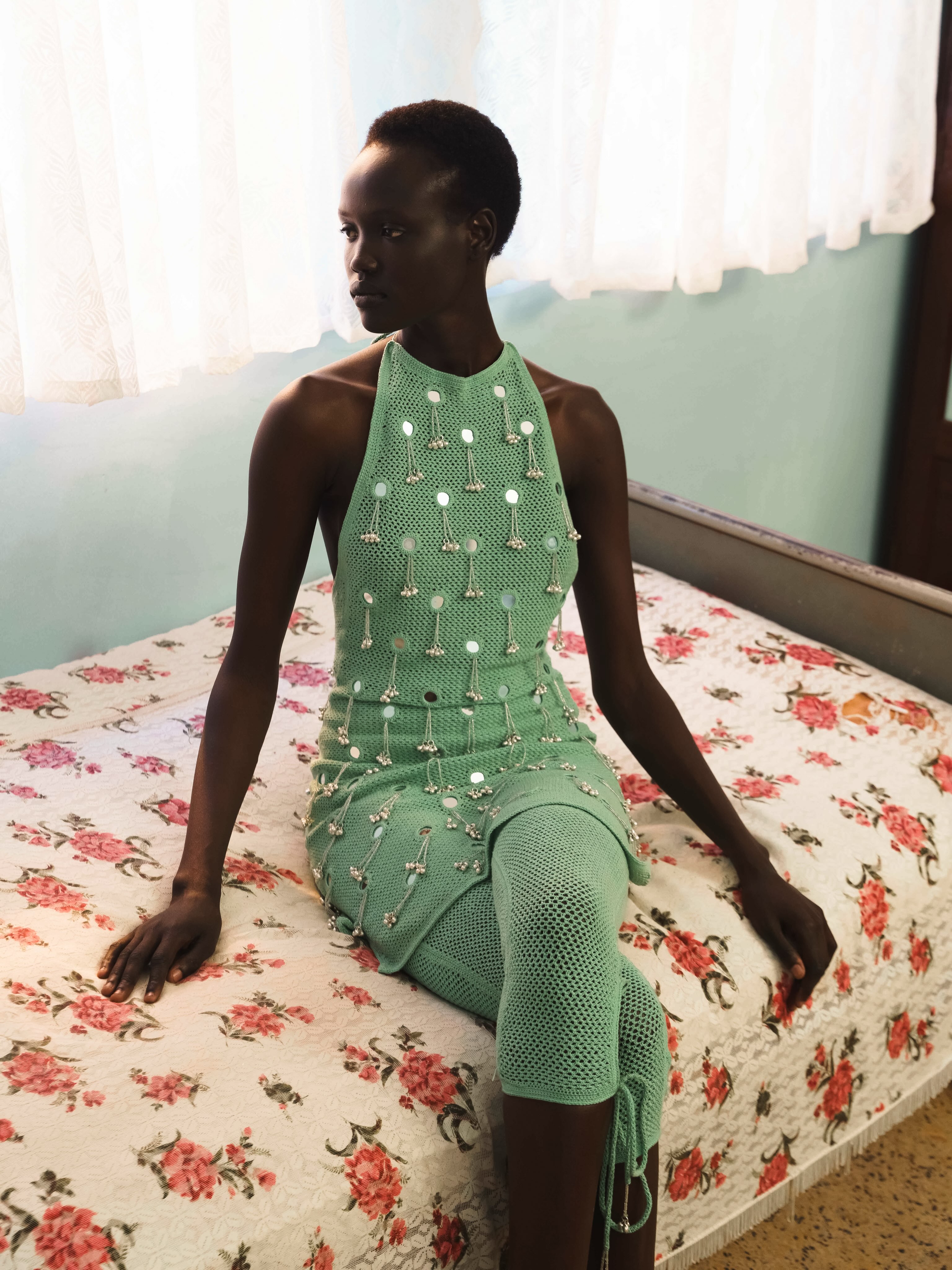
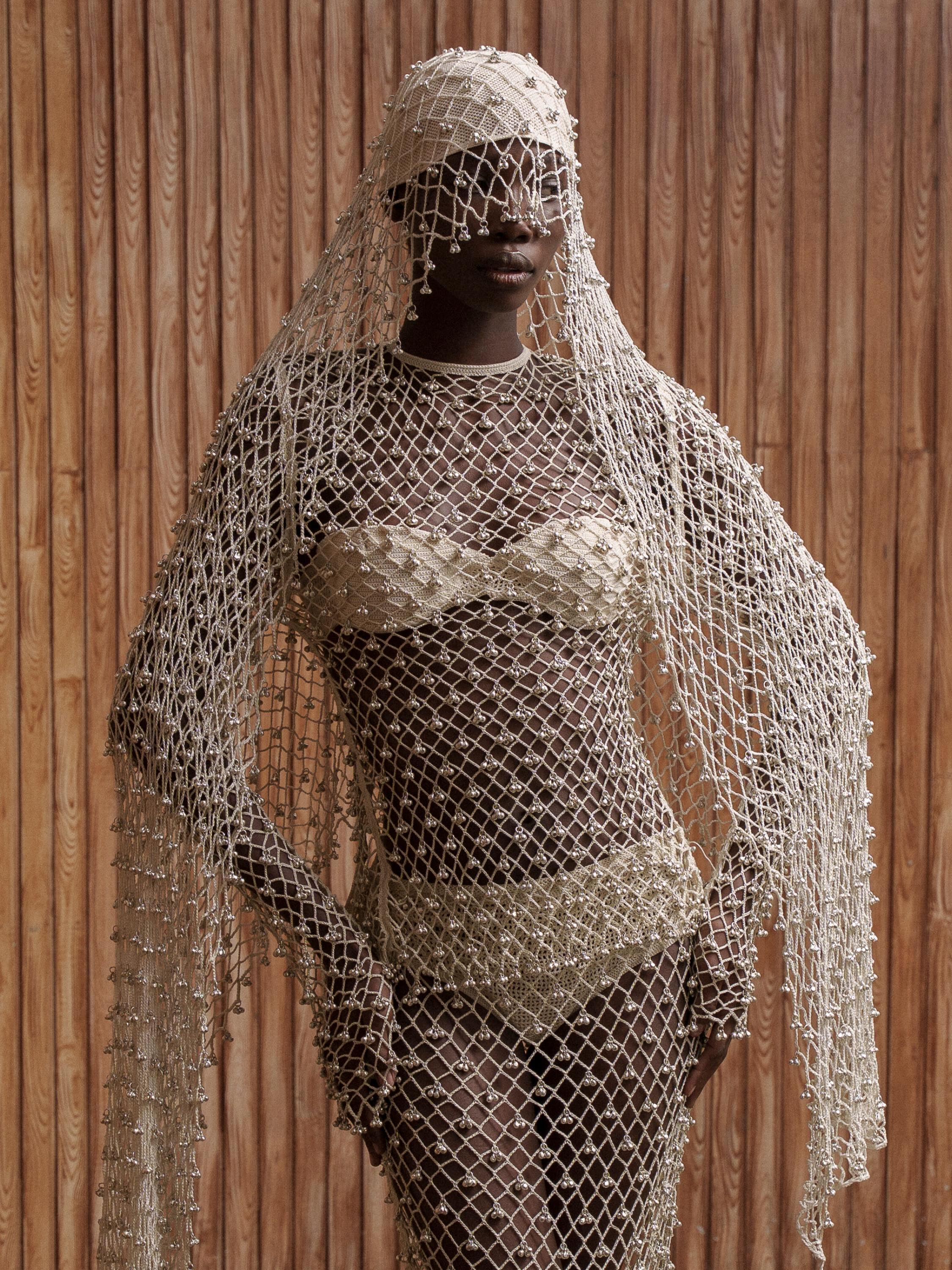
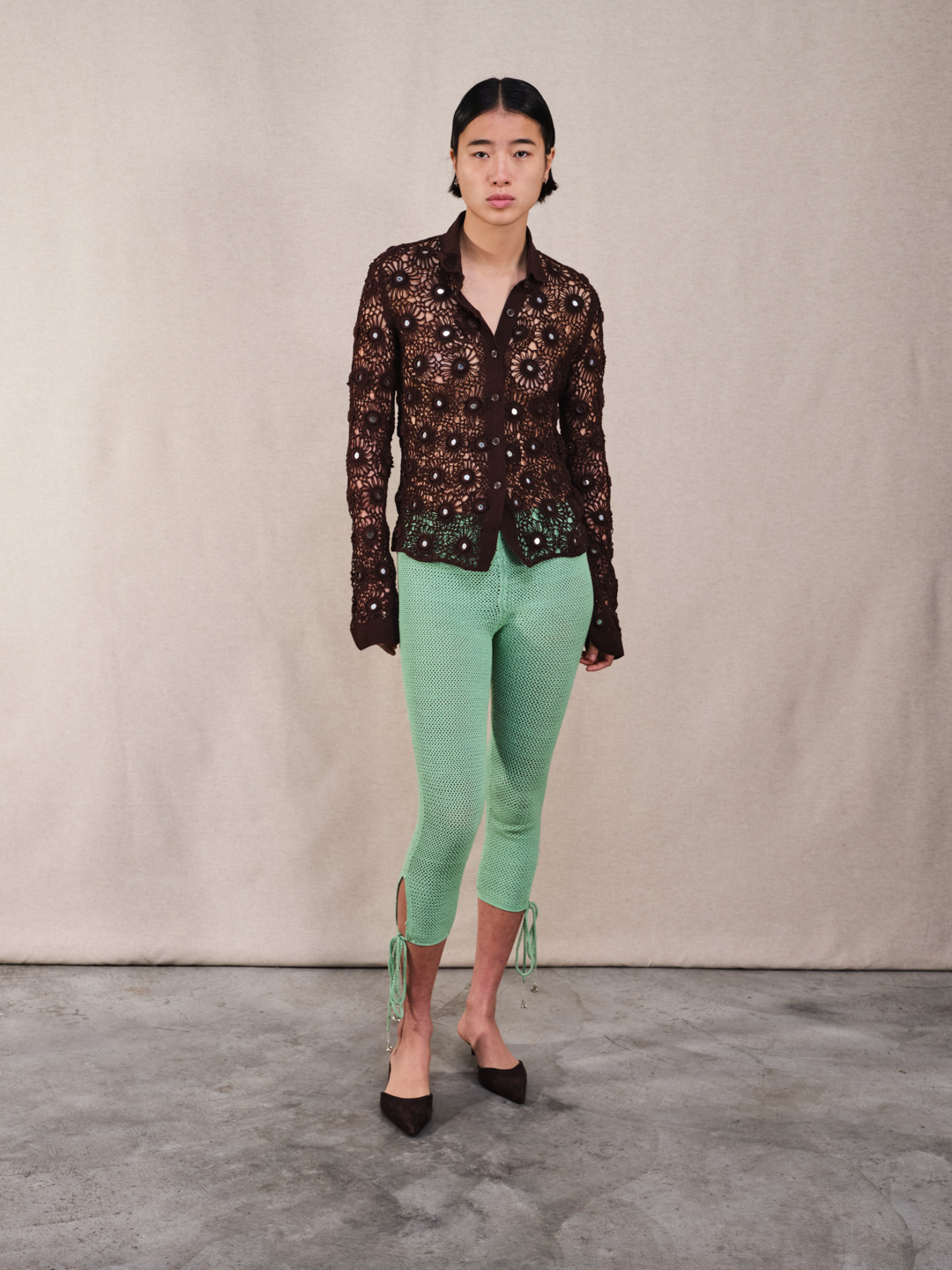
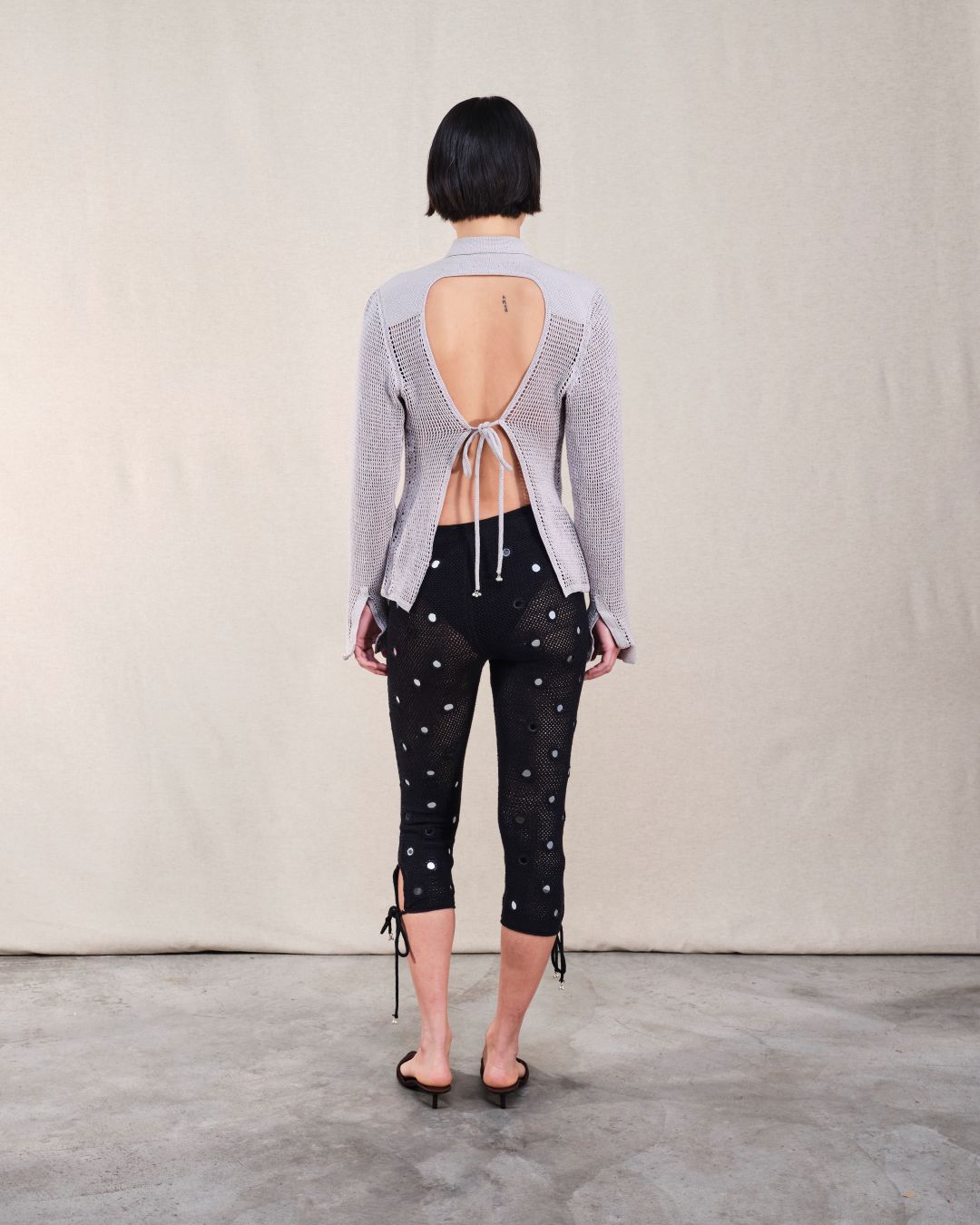
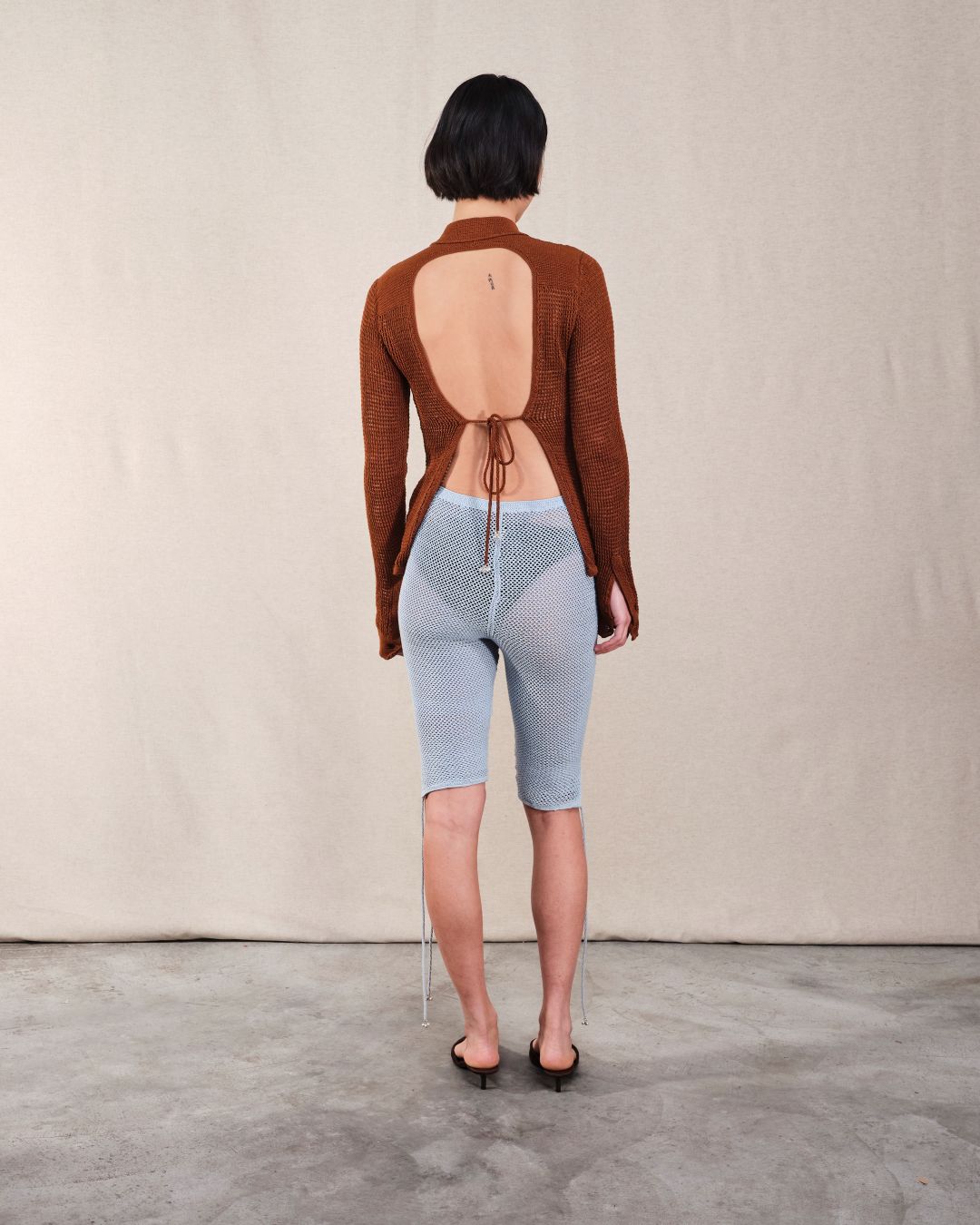
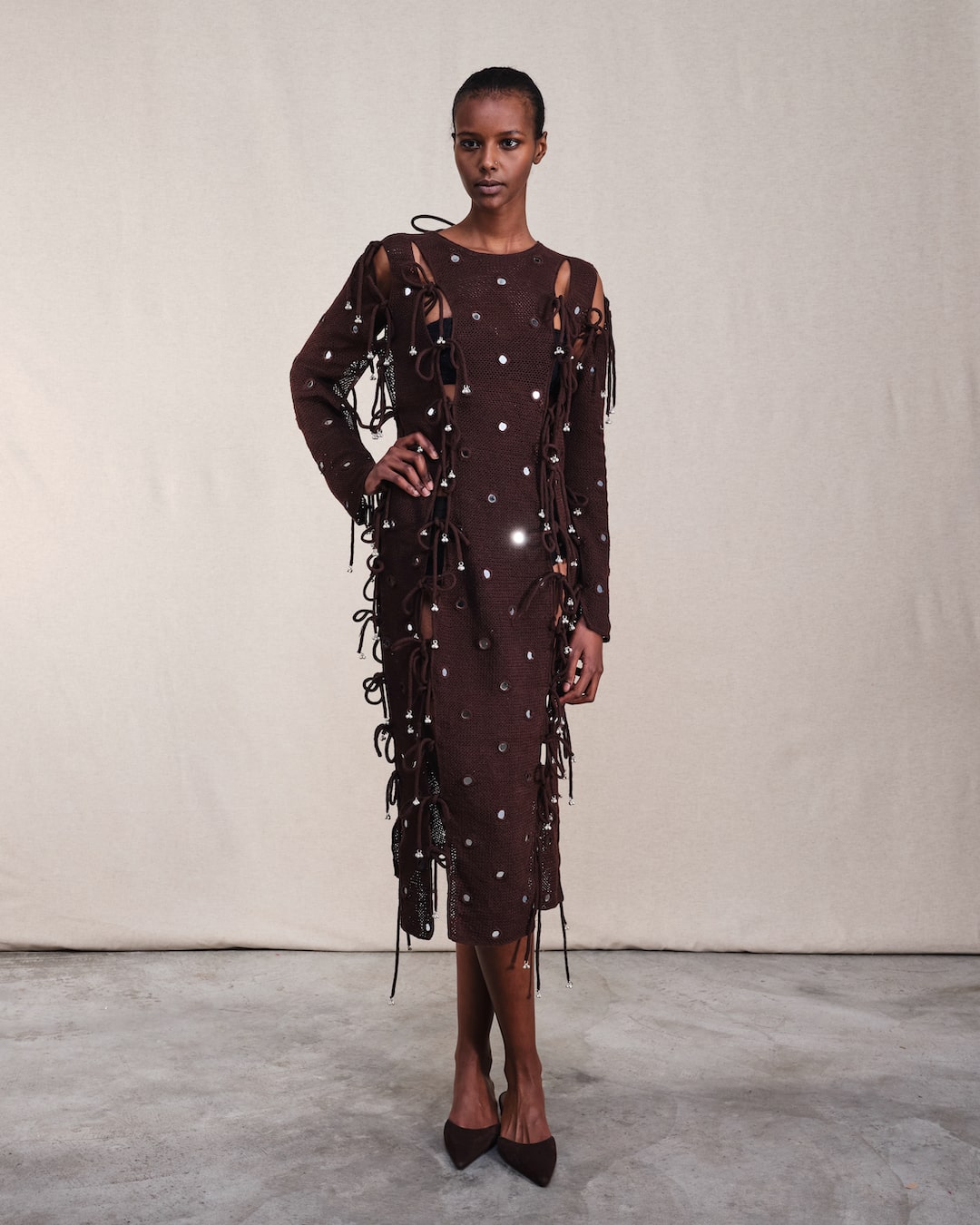
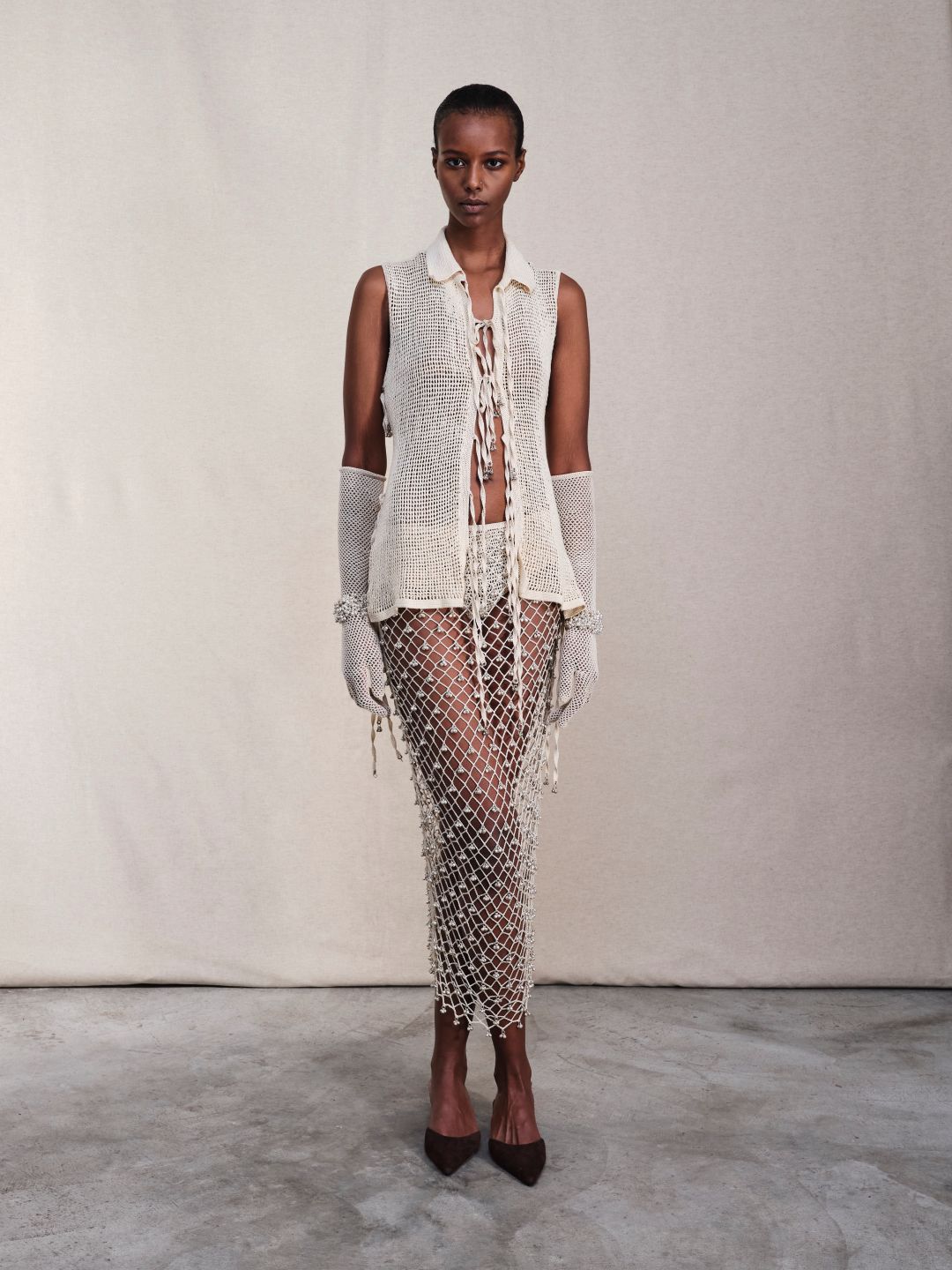
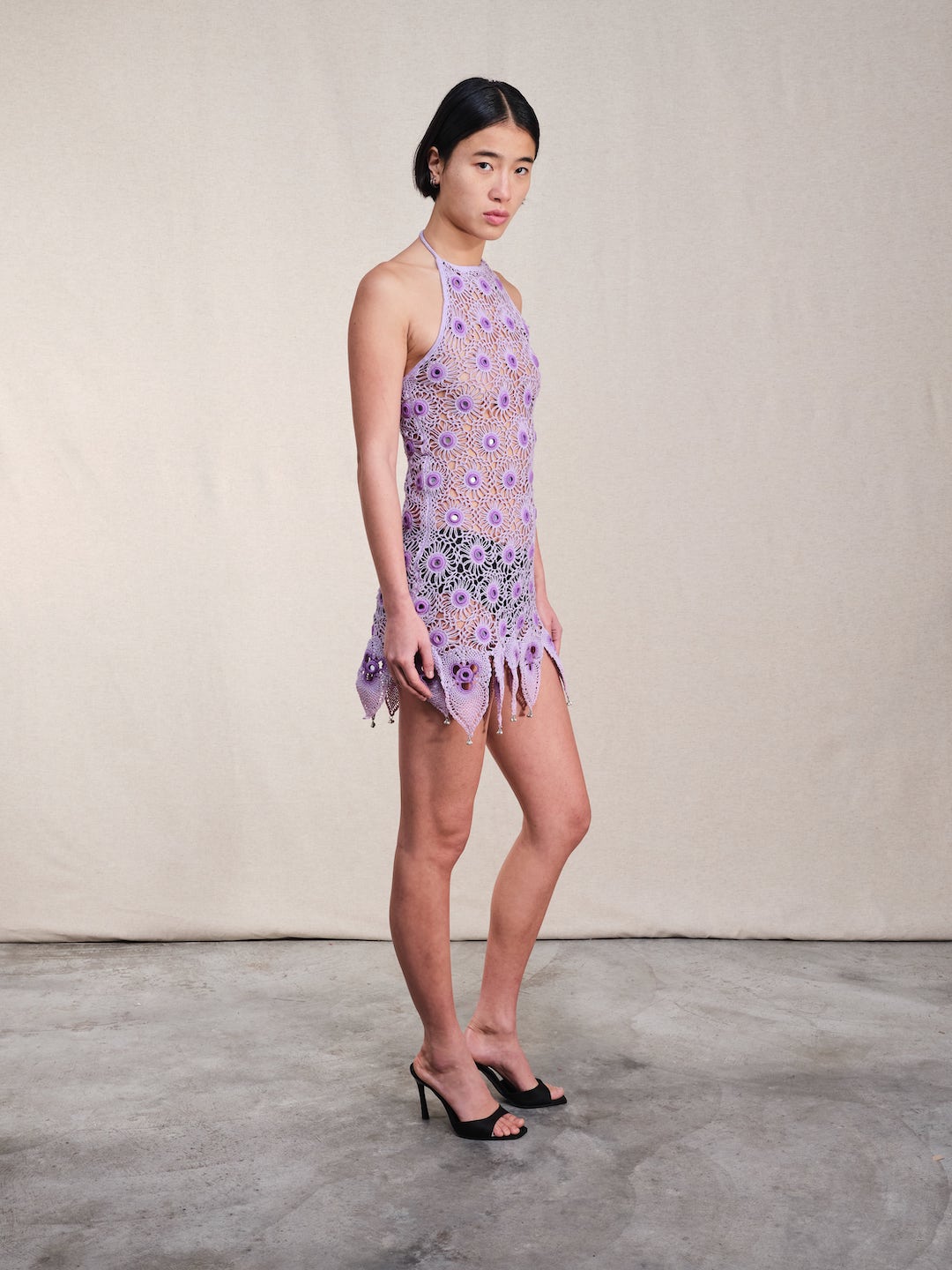
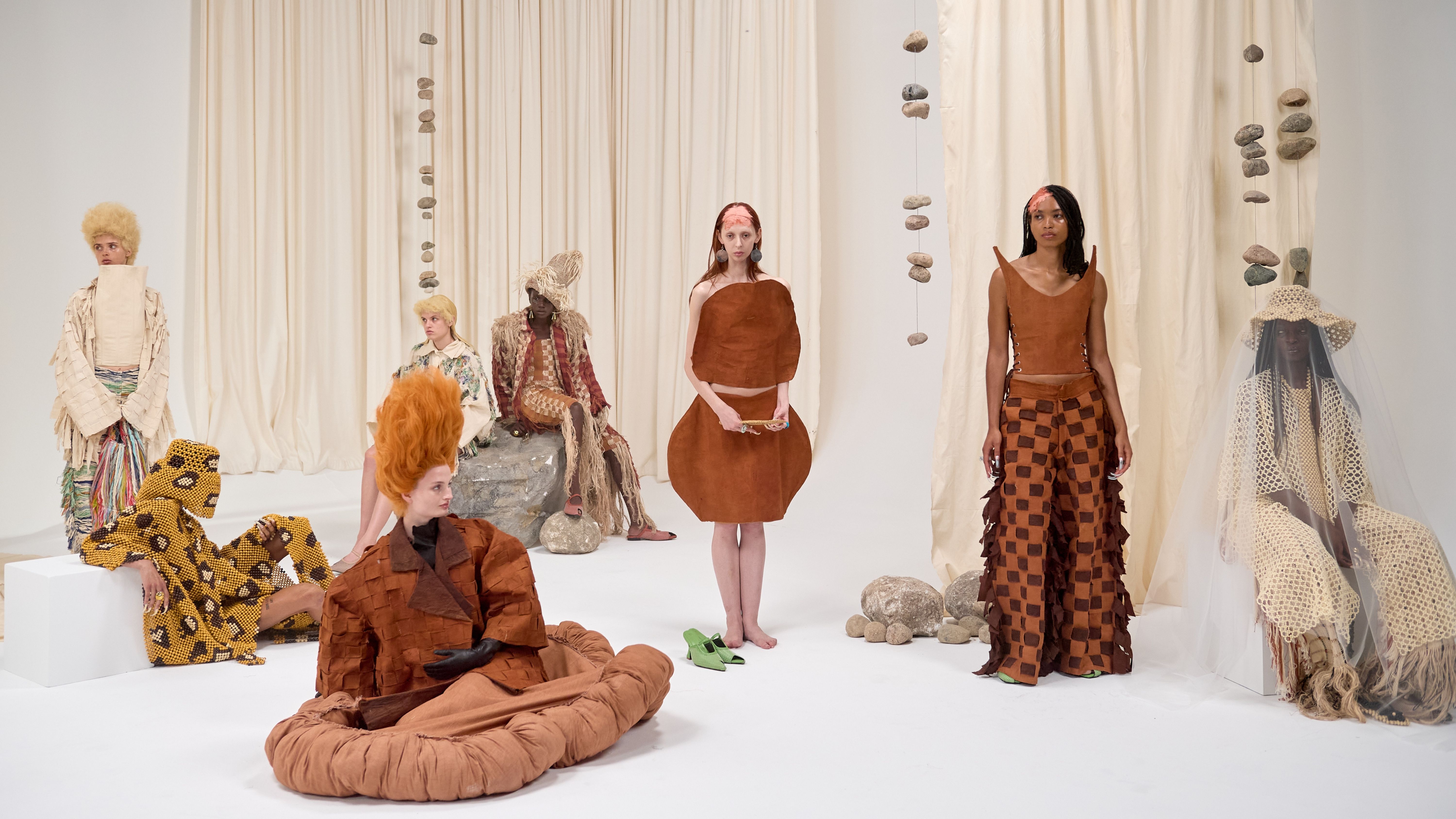
This category aligns very closely with the business that Padia has been building. The house works between Nairobi and Paris, with garments developed through slow production and close relationships with women-led craft communities in Kenya. Crochet, embroidery, embellishment and hand construction are part of its visual language.
Padia has been vocal about wanting the brand’s growth to translate to skills, employment and stronger production capacity in Kenya. The award gives him the means to achieve this.
The prize Yoshita 1967 actually won - a break down
According to LVMH, the Savoir Faire Award comes with assistance from the LVMH Group in supporting and developing their creative work in the form of a personalized support, both technical and financial, for a period of twelve (12) months from the Savoir-Faire Prize award.
To break it down, this is:
- €200,000 financial support for developing Yoshita 1967
- €10,000 to be used on the Nona Source platform, for deadstock materials from LVMH’s Fashion and Leather Goods brands.
- €50,000 worth of embellishments from Maison Vermont, the French embroidery specialist.
In terms of non-financial but equally important support, there is
- Mentorship for a 12 month period from LVMH
- A specific mentoring program from Nona Source
- Support from the LVMH Métiers d'Excellence through a collaboration with Maison Vermont
The mentorship can cover sustainable development, communications, copyright and corporate legal matters, marketing, manufacturing and financial management - areas LVMH explicitly identifies as part of the expertise offered to its young designers.
All these put together will benefit a young, artisanal house like Yoshita 1967, immensely.
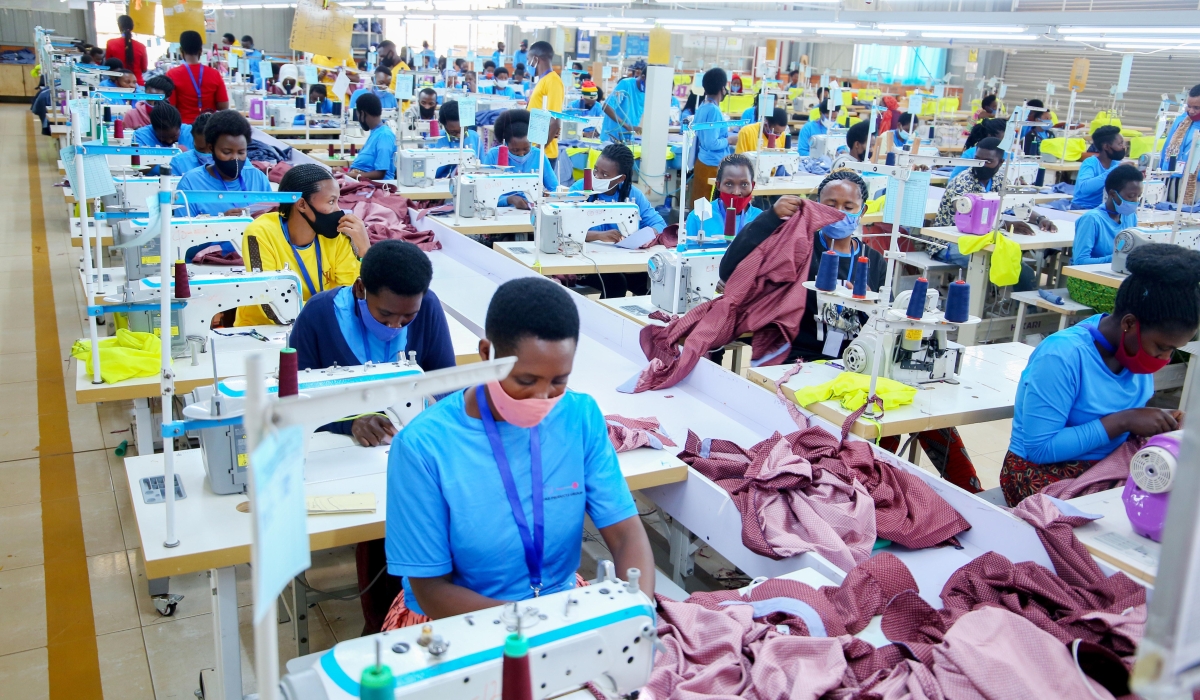
Production is one of the central problems in emerging luxury. A designer can generate editorial attention and orders well before the company has the cash flow, staff, machinery, raw material access and quality-control systems required to deliver those orders consistently.
That was the case this year, as with other years. Delphine Arnault told Vogue that the jury asked designers where they produce, distribute and who their final customer is. The finalists themselves spoke about the burden of financing collections and production up-front.
Yoshita 1967 now has more capital with which to train more artisans, improve sampling and production systems, finance development and strengthen the infrastructure surrounding the clothes they produce.
Maison Vermont also presents a particularly interesting technical opportunity by offering Yoshita 1967, a fashion label that is already in the business of working with intensive embellishments, direct access to one of the specialist embroidery within the French luxury craft system.
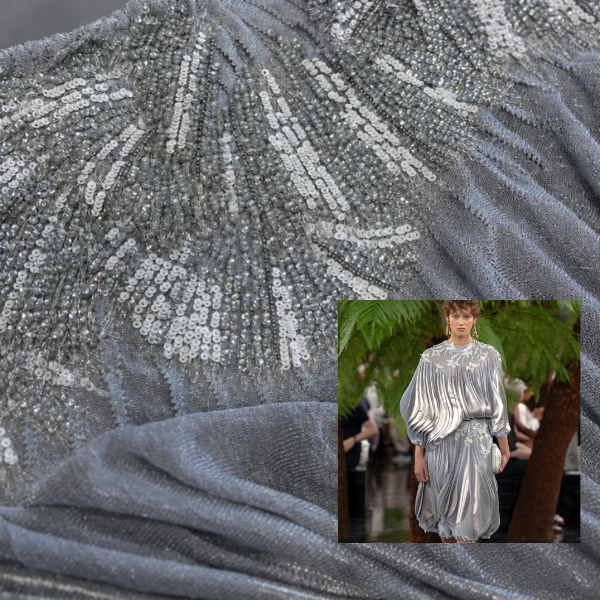
Embroidered Chain stitch embroidery in metallic threads, accompanied by sequins and beads in varying shades for the Dior Fall 2026 Couture show imagined by Jonathan Anderson. Source: Maison Vermont Instagram Page

A trompe-l’œil effect created between cashmere loops and pearl loops, each meticulously prepared and hand-applied one by one with a needle for the Dior Fall 2026 Couture show, imagined by Jonathan Anderson. Source: Maison Vermont Instagram Page
How many African designers have actually won the LVMH prize?
To use LVMH’s own nationality classification, there have now been three formal prize winners from African countries.
In 2019, the main LVMH prize was won by Thebe Magugu of South Africa. In 2021, another South African, Lukhanyo Mdingi shared the 2021 Lagerfeld prize with KidSuper and Rui.
Anil Padia of Yoshita 1967, from Kenya is the 3rd African to win, with his award of the 2026 Savoir-Faire prize.
That is a total of three winners in 13 editions.
However, there is a non-official, second count that includes Africans in Diaspora - usually holding other/dual nationalities. This second count, would include Idris Balogun of Winnie New York, who won the Lagerfeld prize in 2022. He is of Nigerian descent although LVMH records his nationality as American. Balogun was born in New York to Nigerian parents and raised in London.
In 2025, Torishéju Dumi won the 2025 Savoir-Faire prize. LVMH records her nationality as British, while describing the Nigerian-Brazilian upbringing and heritage that are central to her work.
Putting both counts of Africa nationality or direct African parentage together, we can see that there have been five prize winners: Thebe Magugu, Lukhanyo Mdingi, Anil Padia, Idris Balogun and Torishéju Dumi.
Which other African Fashion designers have come close to winning the LVMH prize?
14 designers or labels listed by LVMH with an African nationality have reached at least the semi-final stage since 2014. Six made the final. Three became formal prize winners.
- 2014 | Nigeria: Maki Oh by Amaka Osakwe and Orange Culture by Adebayo Oke-Lawal reached the semi-final. Maki Oh has since closed.
- 2019 | South Africa/Nigeria: Thebe Magugu and Kenneth Ize became the first continent-based African designers to reach the final. Magugu won the main prize; Ize finished as a finalist.
- 2020 | South Africa: Sindiso Khumalo reached the final. COVID-19 forced LVMH to cancel the final and no single winner was selected. All eight finalists instead received financial support and mentorship; LVMH subsequently described the allocation as €40,000 each.
- 2021 | South Africa/Nigeria: Lukhanyo Mdingi reached the final and won the Karl Lagerfeld Prize. Adeju Thompson's Lagos Space Programme reached the semi-final.
- 2022 | Nigeria: Iniye Tokyo James reached the final with Tokyo James.
- 2023 | Nigeria: Faith Oluwajimi's Bloke reached the semi-final.
- 2024 | Togo: Jacques Agbobly reached the semi-final with Agbobly.
- 2025 | Ghana/Egypt: David Boye-Doe Kusi's Boyedoe and Yasmin Mansour became the first Ghanaian and Egyptian designers represented among the semi-finalists. British-Nigerian Tolu Coker went further, reaching the final under the United Kingdom, while Torishéju went on to win the Savoir-Faire Prize.
- 2026 | Nigeria/Kenya: Bubu Ogisi's IAMISIGO reached the semi-final. Yoshita 1967 made the final and won.
The impact of the LVMH prize on past winners
When Thebe Magugu reached the final in 2019, he was running a young Johannesburg company while navigating an environment with few specialist fabric suppliers and factories experienced in luxury ready to wear. Vogue Business documented the product limitations before he won.
After he won the prize, Magugu’s international exposure increased sharply. He went on to collaborate with Adidas and Valentino and became the first guest designer invited to work with AZ Factory. It is important to note, that he continued operating his company from South Africa rather than using the award as an exit route from the country.
Within months of his 2021 Karl Lagerfeld win, Lukhanyo Mdingi was presenting at Paris fashion week. Vogue business reported that the LVMH win led to his invitation to show in Paris; his business was also selling through platforms, including SSENSE and Net-a-Porter. Mdingi himself, described the price primarily in terms of the visibility and possibilities it gave his young business.
None of these prize winners were able to solve the infrastructural or supply chain challenges in their native countries with their prizes but they were able to use the opportunity to give themselves the best possibility of improving their businesses in other ways.
For Padia, the next year will be spent dealing with the far less ceremonial part of the achievement: production, people, materials, cash flow, distribution and deciding how large Yoshita 1967 should become without dismantling the slow, deliberate method of production that got it into the room in the first place.