
What is the future of African Luxury Fashion?

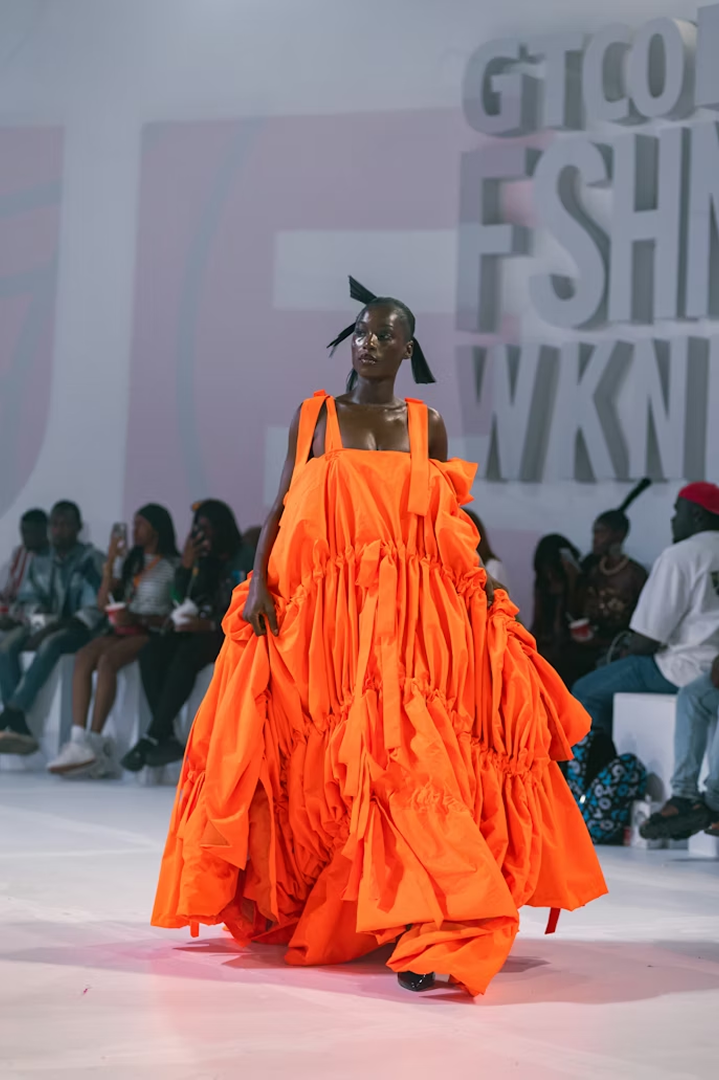
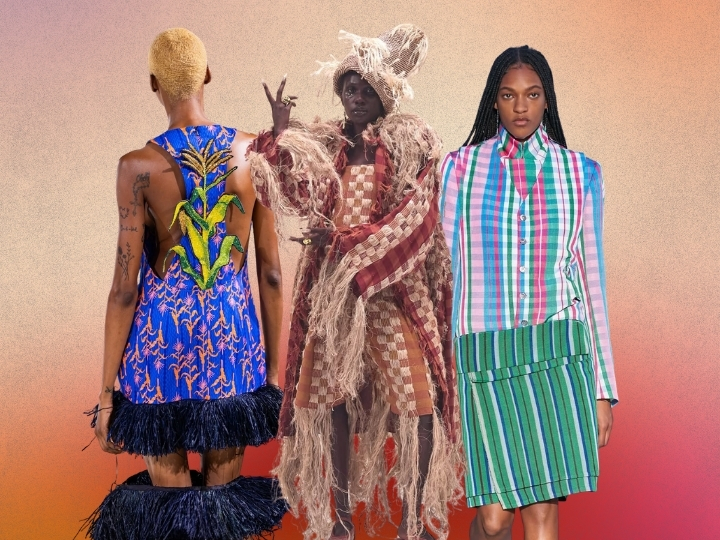
A piece from Lisa Folawiyo's “A Life in Colour” SS26 collection. Photographed by: Kola Oshalusi.
Before Luxury became the internet’s favourite buzzword, designers in Africa were already building and creating an ecosystem that would shape it, not loudly, but quietly. Names like Chris Sedyou, Xuly-Bët, Lanre Da Silva, KikoRomeo, and Deola Sagoe were legacy brands that set the tone. What followed years later was experimentation, iteration, rebranding, and repositioning that were visible. Before Lisa Folawiyo became the alchemy of sartorial elegance, there was Jewel by Lisa, the designer’s building block; just like Folawiyo, Dye Lab tested the waters with the now-defunct Grey, a brand the founder built for ten years.
These instances are not mere data; they are among the foundations that built the continent’s luxury ecosystem.
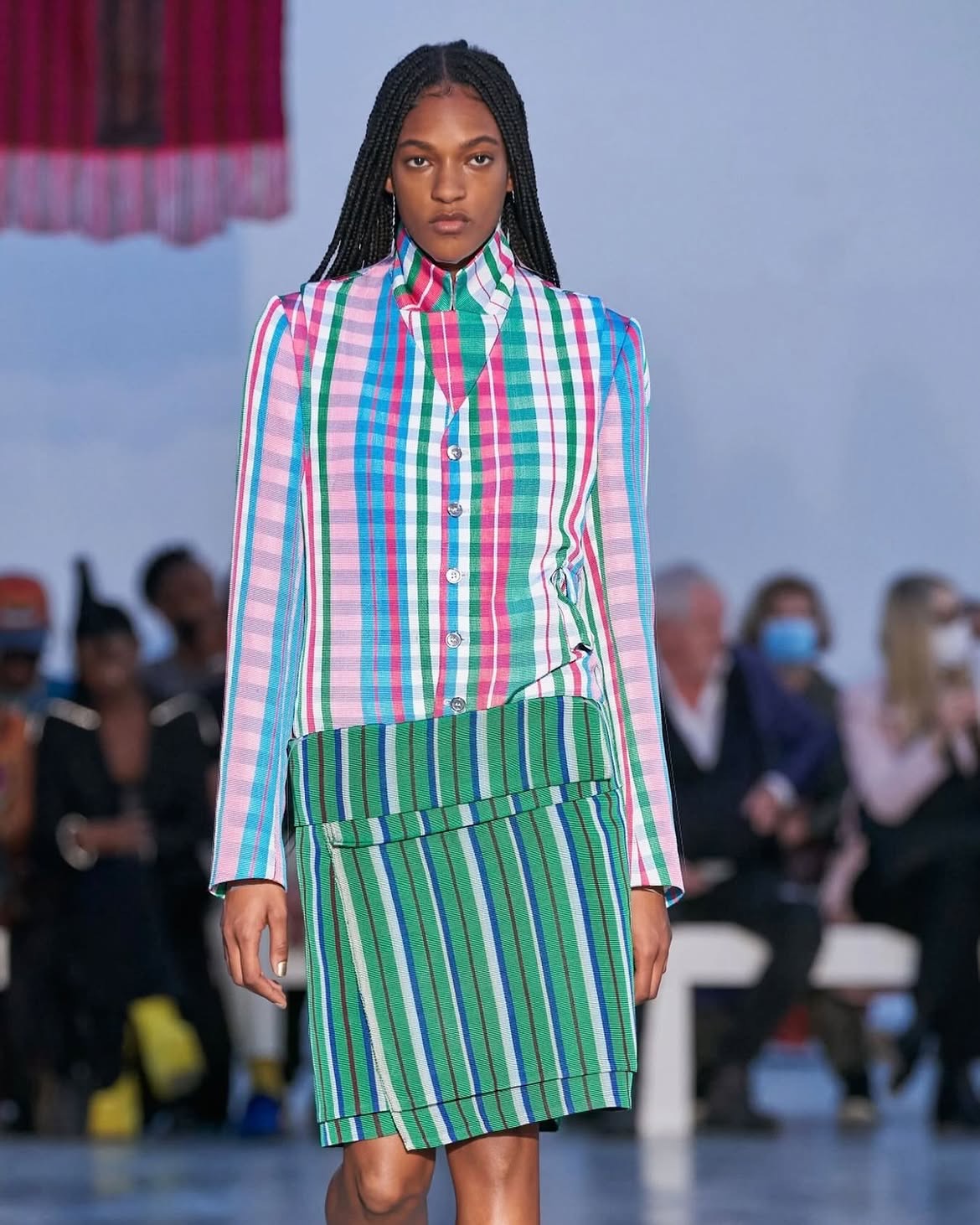
Nigerian Designer, Kenneth Ize’s signature Aso-oke silhouettes. Photo Credit: Instagram.
The late 2010s marked a significant shift for luxury fashion. A new generation of designers was building on the continent, and visibility became the new currency. The region became a hotspot for emerging talents; names like Orange Culture, Thebe Magugu, Kenneth Ize, Lisa Folawiyo, and Maki Oh caught international eyes; these names championed a new kind of innovation that was distinct. Kenneth Ize uses the aso-oke to craft contemporary silhouettes; Magugu fuses his South African heritage with modernity; Maki Oh proved that the traditional adire textile could travel internationally. The accolades trickled in, with features in international press alongside cultural institutions paying attention- the LVMH and Woolmark Prize Awards; the list is endless, with showings at international runways and exhibitions becoming a mainstay. Pieces appeared at international and local retail stores. Everything reads as a global positioning for the continent’s fashion ecosystem.
As demand grew, e-commerce platforms like The Folklore and Industrie Africa helped fashion consumers buy African fashion internationally. Both platforms were built out of the need for broader access to the region’s craftsmanship. In fact, Industrie Africa began in 2018 as an editorial platform but later transitioned into a luxury marketplace.
Within years, it was able to sell and ship to about 60 countries- it successfully tapped into the US market where African fashion was coveted. Until it called off its digital operation in April 2026 due to growing infrastructural gaps, and increasing 15% tariffs from the US linked to the ended duty-free access under AGOA (African Growth and Opportunity Act), becoming the continent’s precarious setback. Industrie Africa is adopting a new model, similar to what looks like the backbone of the continent’s luxury shift years ago - concept stores.
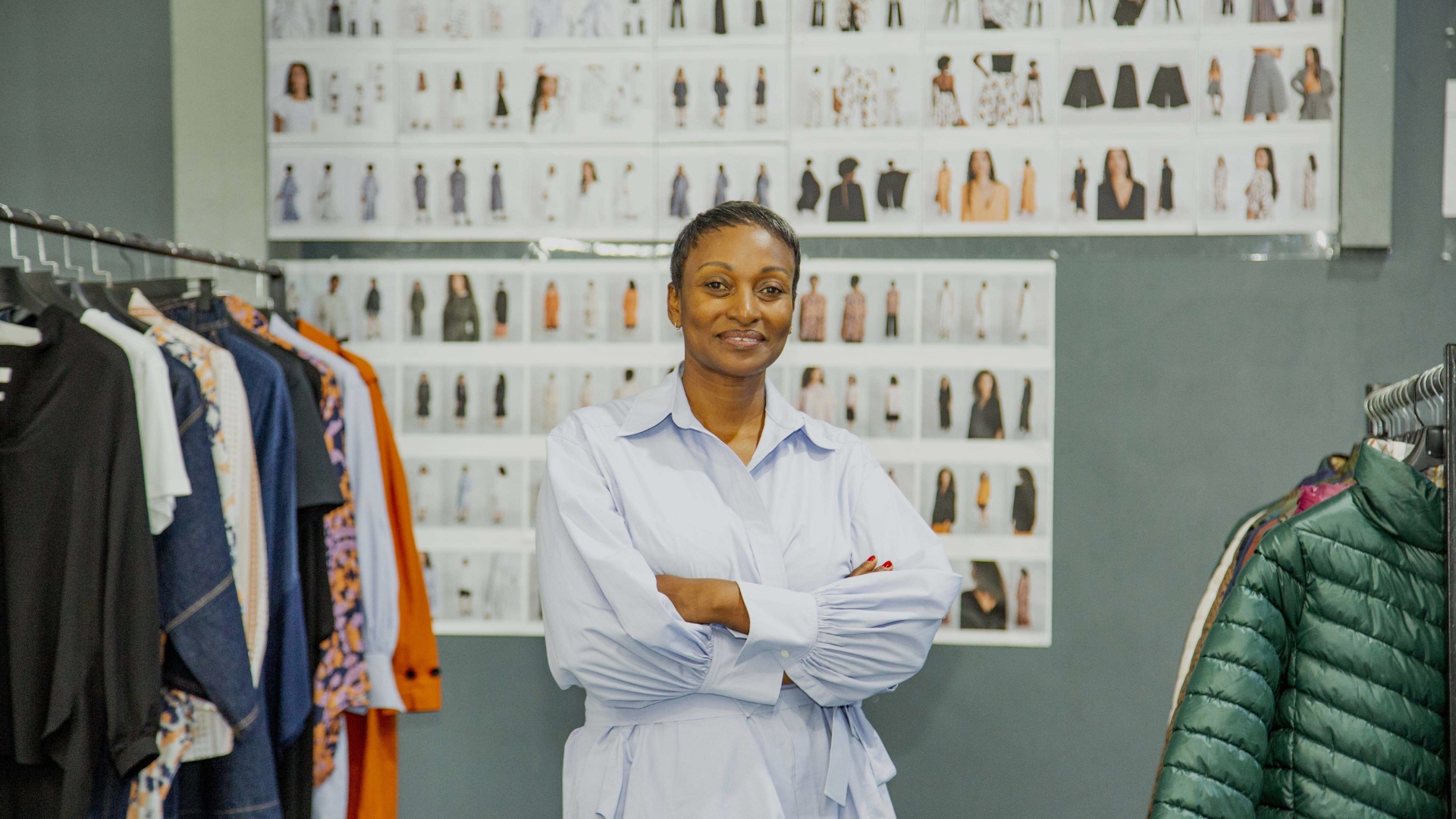
When Avinash and Kabir Wadhwani, the two co-founders of Temple Muse, launched in 2008, it was a strategic move; the duo already had an understanding of marketing, with Avinash having previously worked at Selfridges. They saw a gap and quickly closed it. Temple Muse’s model worked, stocking African designers while also bridging hospitality- a framework that works well with luxury. Merchant on Long in South Africa and Alára are also thriving on the same model.

Inside Temple Muse, the Lagos based retail concept store. Photo Credit: Google- Bellanaijastyle
In 2026, Temple Muse and Alára were named among the best fashion retailers in the world by the Business of Fashion, indicating .
The Infrastructure that African Luxury Fashion has built
African Luxury Fashion is made-to-order and craft-led; it is slow in nature and cannot match global e-commerce blueprints. Payment barriers, rising logistics costs, unpredictable trade policies, and fragmented supply chains led to the shutdown of one of the biggest digital retailers. The lesson learnt is that direct-to-consumer remains the safest bet for designers building in Africa, alongside physical spaces. Enter concept stores that have been catering to cultural context and emotional proximity for years- remaining African Luxury fashion’s safety net.

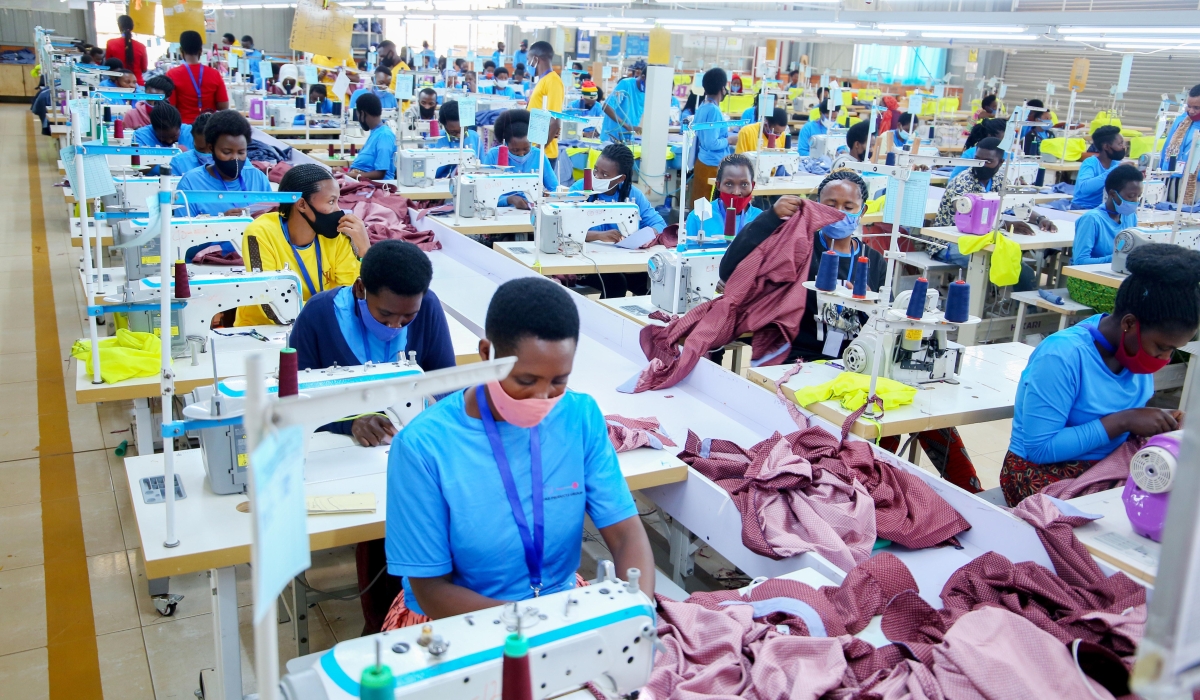
A Textile Mill, Photo Credit: Pinterest.
One of the biggest conversations around the infrastructure that could benefit every part of the continent’s fashion industry is the revival of the textile industry. And it is incomplete to talk about the future of Luxury fashion without examining the textile sector that contributes to it. About 2.6m tonnes of cotton are grown annually in regions like Mali, Benin, Burkina Faso, Côte d’Ivoire, and more; however, these raw materials leave the continent unprocessed, because there isn’t the infrastructure to process them. Nigeria’s own textile mills collapsed in the 1990s, and efforts to revive them have been futile.
Afreximbank stepped in; the Cairo-based finance company is part of the infrastructure and began its active involvement in Africa’s fashion economy in 2021, going as far as to seek out partnerships to build textile mills and garment factories in cotton-growing regions.
Similarly, the Senegalese government, in partnership with the Turkish group AVCI Global Industrie, inaugurated a textile manufacturing firm in the country, as a way of strengthening Senegal and Africa’s production threshold. Both read as infrastructure being built; however, only time will tell how these initiatives will contribute to Africa’s Luxury Fashion economy.
However, Afreximbank, under the Creative Africa Nexus Programmes (CANEX), succeeded in its aim of developing the creative industry as a contributor to Africa’s economic growth. Through placing African designers at trade shows on the continent and in Europe while also providing funding as a form of investment, the infrastructure it’s building in this area is fundamental.
Provenance as infrastructure

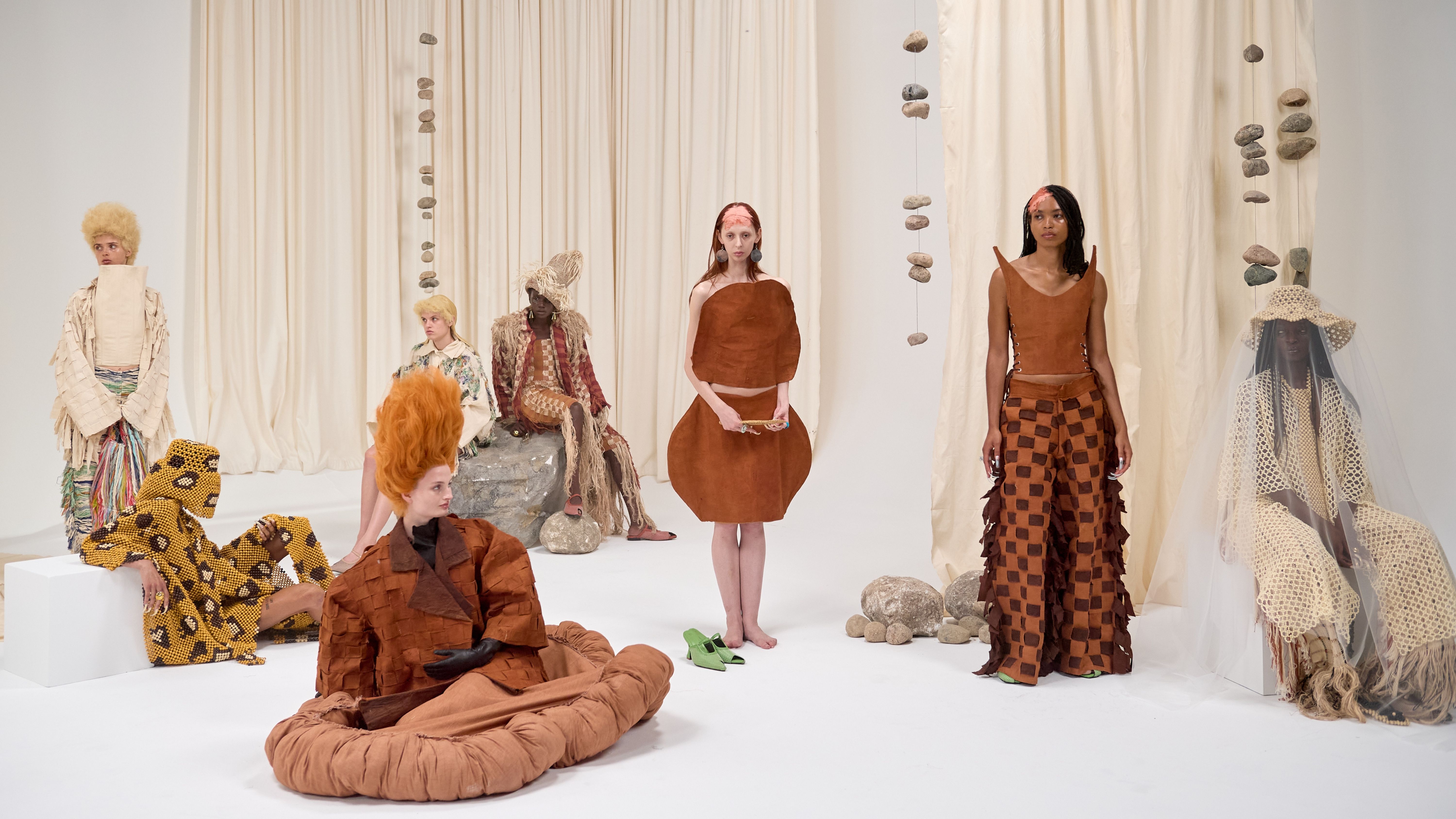
I.AM.ISIGO's“Scared Ecologies” collection from Berlin Fashion Week. Photographed by James Cochrane.
The Luxury Fashion space presently is at a time when authorship and ownership matter more than visibility. Luxury in the region is expanding and addressing something bigger- value needs to move back to its origin source: the handweavers, beadmakers, textile makers, and the communities that spend long hours handcrafting Africa’s biggest exports need to be a visible part of the luxury value chain, not just as a reference. Designers like I.AM.ISIGO, Hertunba, and 2026 LVMH Savoir- Faire prize winner, Yoshita 1967 are already at the helm of provenance. Across I.AM.ISIGO's material and design ethos, provenance has always been visible: cotton is sourced from Uganda and Kenya, raffia and jute are locally sourced from Nigeria, and sisal fibre is sourced from Tanzania. For the Nairobi-based brand Yoshita 1967, more than 15 female artisans work to craft the brand’s crochet pieces; the provenance is in Kenya. And this is infrastructure being built locally, making sure the supply chain sits with the continent.
What is the future of African Fashion?
There isn’t a straightforward blueprint or answer to that; infrastructure has proven to come a long way, from Afreximbank backing, to programs like CANEX, alongside provenance has helped and contributed to the upscale of African Luxury Fashion. However the continent is still learning. Systems are being built, tested, and re-modelled; the largest multi-brand e-commerce retailer spent seven years trying a model; part of it worked, some didn’t, but what worked is shaping the next trajectory. Textile plants have been promised across various regions on the continent; whether that promise will be fulfilled is yet to be discovered. The infrastructure that has been put in place is what is currently fueling the future of African Luxury Fashion.